
Oxford American | "Sacred Place"
- julian571
- Oct 3, 2019
- 1 min read
Updated: Apr 23
By Julian Rankin
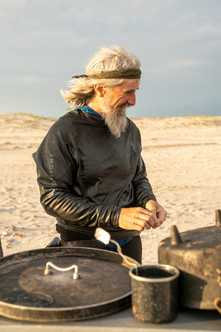
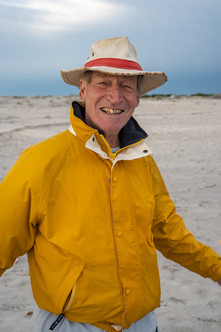
In April 2019, seven southern explorers, myself included, journeyed to a desert island off the Mississippi coast. We crossed between realities. Through barriers of place and time. Following the ghost of an artist named Walter Inglis Anderson.

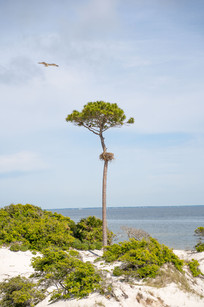
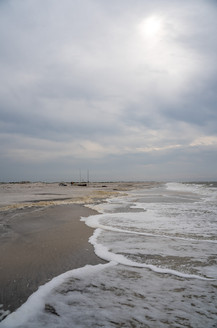
The island is named Horn Island. The product of hundreds of years of windblown sands. It treads water in the Gulf of Mexico. Twelve miles off shore from Anderson’s old stomping grounds of Ocean Springs, Mississippi. We planned to camp for six days. Spread out beneath the stars.
A record of the trip – in print and audio form – is now available fromThe Oxford American magazine.
Learn more about Walter Anderson's relationship to the island in the museum's reinstalled collection, Artist, Naturalist, Mystic.
“In this day of the machine age even a one-mile row is considered an incredible feat.”
– Walter Inglis Anderson, Horn Island Logs

The island won’t stay still. It breathes and moves, grain by grain westward with the prevailing winds, ever closer to the main nerve of the American imagination. It is also shrinking, caught between two dredged channels: one that withholds sand from its tail, the other that stares it in the face. Horn Island is an hourglass, a wise man once told me. It keeps its own time, and ours.
—JOURNAL ENTRY, APRIL 25, 2019





















Incredibly rich article—your exploration of “Sacred Place” within the context of the Walter Anderson Museum of Art not only conveys the landscape and legacy of Walter Inglis Anderson, but also invites reflection on how place, purpose and preservation intertwine. For teams that are managing complex creative, educational or cultural projects, leveraging structured systems just like artists and curators rely on means everything — if you’re curious about frameworks that support coordination and oversight at that scale, check out best portfolio management software.
I found the exploration of violence in Italian Renaissance painting deeply thought-provoking — the way artists used tension, light/dark contrasts, and narrative to elevate scenes of conflict into something almost symbolic rather than purely graphic really stood out. At the same time, it reminded me that just as painters refined tools to convey meaning (for example chiaroscuro and contrapposto) teams today refine processes and “tools” for meaning and impact. If you’re curious about how modern collaboration can mirror that precision and purpose, here’s an interesting look: https://www.sembly.ai/blog/ai-teammates-features-and-functions/ — worth checking out for its take on AI teammates and organisational fit.
Stunning piece—the way the Walter Anderson Museum post links heritage, place, and creativity within Oxford Americantheme is deeply moving. The interplay of art, memory, and context resonates beyond the gallery walls. If you’re exploring how digital systems can carry that same sense of connection and relevance, the guide How to Build an AI-Powered Recommendation System provides an insightful roadmap for personalising experience at scale. (https://devcom.com/tech-blog/how-to-build-an-ai-recommendation-system/)
Con Photo Cat, puedes subir la calidad de una imagen automáticamente. Nuestra IA analiza y mejora tus fotos, haciéndolas más claras y profesionales.
What an inspiring read! The way Horn Island is described truly captures its timeless spirit and connection to nature. If you’re passionate about storytelling like this, don’t miss the chance to write for us news and media and share your voice.